
Driving in harsh winter conditions can be challenging, especially on snowy and icy roads. To ensure safety on the road, it’s crucial to have the right equipment, and that’s where winter tires come into play.
They are specifically designed to provide better grip and control on slippery surfaces, making them an essential investment for drivers who live in areas with severe winter conditions. By choosing the right tires, drivers can significantly enhance their safety on the road and enjoy a more confident driving experience.
Key Takeaways
- Tires improve traction on snowy and icy roads.
- They are designed for better grip and control in harsh winter conditions.
- Investing in them can enhance road safety.
- The right ones can provide a more confident driving experience.
- They are a must-have for drivers who frequently drive in severe winter conditions.
Understanding Winter Tires and Their Importance
The importance of winter tires cannot be overstated, as they provide the necessary traction in snowy and icy conditions. This is particularly crucial for drivers living in regions that experience harsh winter weather.
What Makes Winter Tires Different
Winter tires are specifically designed to outperform all-season tires in cold weather conditions. They are made with specialized rubber compounds that remain flexible in low temperatures, allowing for better grip on snowy and icy roads. This characteristic is fundamental to their ability to provide enhanced traction and control.
The Science Behind Winter Tire Traction
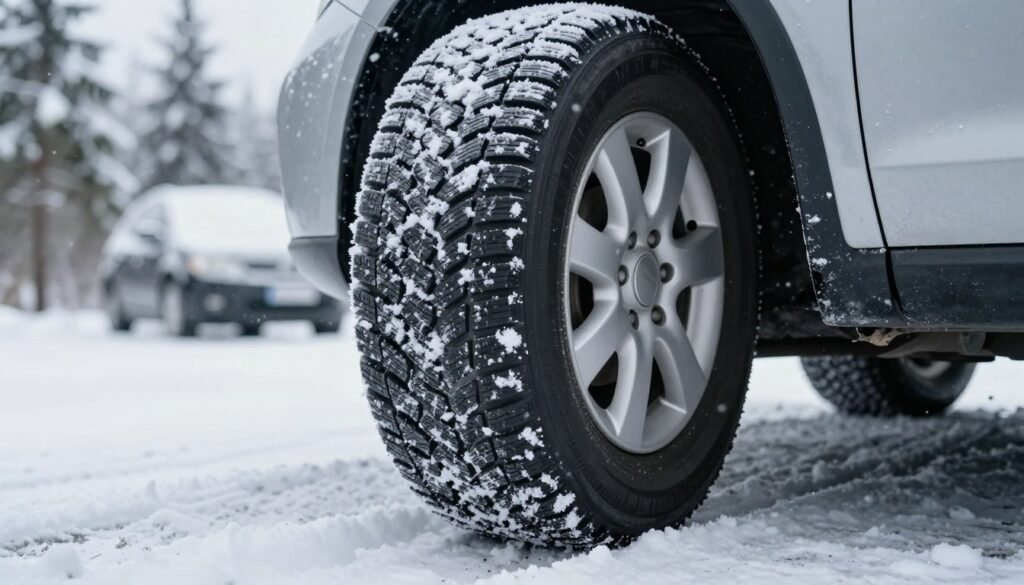
The science behind winter tire traction involves a combination of the tire’s material and its design. The tread patterns are engineered to evacuate water and slush, reducing the risk of hydroplaning and improving grip on slippery surfaces. Additionally, siping technology creates more edges on the tire surface that can bite into ice, further enhancing traction.
Understanding these features is key to appreciating the value of winter tires in maintaining vehicle safety during the winter months.
Winter Tires for Traction: Key Features and Technology
When it comes to navigating snowy and icy roads, the right winter tires can make all the difference. Effective winter tires are designed with specific features and technologies that enhance traction, safety, and overall driving experience during harsh winter conditions.
Specialized Rubber Compounds
One of the key features of winter tires is their specialized rubber compounds. These compounds are designed to remain flexible in cold temperatures, allowing for better grip on snowy and icy surfaces. For instance, tires like the Bridgestone Blizzak WS90 utilize unique rubber compounds that stay pliable even in freezing conditions, thereby improving traction.
Tread Patterns and Depth
The tread pattern and depth of winter tires are also crucial for their performance. Deeper treads provide more grip on snowy roads, while specific tread patterns are designed to evacuate water and slush, reducing the risk of hydroplaning. A well-designed tread pattern can significantly enhance the tire’s ability to grip the road, even in challenging winter conditions.
Siping Technology and Biting Edges
Siping, which involves creating small slits in the tire surface, is another technology used in winter tires to improve traction. These slits create biting edges that help grip icy surfaces more effectively. The combination of siping and specialized tread compounds works together to provide enhanced traction and control on snowy and icy roads.
Top Winter Tires for Superior Traction in 2026
As we dive into the best winter tires for 2023, it’s clear that several models stand out for their exceptional performance, safety features, and durability.
The quest for the perfect winter tire involves considering various factors, including traction, handling, and durability. In this section, we’ll explore some of the top-rated winter tires that have garnered attention for their outstanding capabilities.
Bridgestone Blizzak WS90
The Bridgestone Blizzak WS90 is a top contender in the winter tire market, known for its exceptional grip and control on snowy and icy roads. With its advanced technology and specialized rubber compound, this tire provides drivers with the confidence they need to navigate through harsh winter conditions.
Performance Highlights
The Blizzak WS90 excels in providing superior traction and braking performance on snowy and icy surfaces. Its unique tread pattern and siping design work together to enhance grip and control, making it an excellent choice for drivers who frequently encounter winter weather.
Pros and Cons
Pros: Excellent traction and control, durable, and quiet ride.
Cons: Some users report a slightly higher price point compared to other models.
Michelin X-Ice Snow
The Michelin X-Ice Snow is another highly-regarded winter tire that offers a smooth and quiet ride without compromising on performance. Its advanced tread compound and innovative design features make it an excellent choice for drivers who value both safety and comfort.
Michelin X-Ice Snow Performance Highlights
The Michelin X-Ice Snow is designed to provide excellent traction and handling on snowy and icy roads. Its unique tread pattern and rubber compound work together to enhance grip and control, making it a great option for drivers who need a reliable winter tire.
Michelin X-Ice Snow Pros and Cons
Pros: Smooth and quiet ride, excellent traction, and durable.
Cons: Some users report a slightly shorter tread life compared to other models.
Continental VikingContact 7
The Continental VikingContact 7 is a top-rated winter tire that offers exceptional grip and control on snowy and icy roads. With its advanced technology and specialized design features, this tire provides drivers with the confidence they need to navigate through harsh winter conditions.
Continental VikingContact 7 Performance Highlights
The VikingContact 7 excels in providing superior traction and braking performance on snowy and icy surfaces. Its unique tread pattern and siping design work together to enhance grip and control, making it an excellent choice for drivers who frequently encounter winter weather.
Continental VikingContact 7 Pros and Cons
Pros: Excellent traction and control, durable, and quiet ride.
Cons: Some users report a slightly higher price point compared to other models.
Nokian Hakkapeliitta R5
The Nokian Hakkapeliitta R5 is a highly-regarded winter tire that offers exceptional performance and safety on snowy and icy roads. With its advanced technology and specialized design, this tire provides drivers with the confidence they need to navigate through harsh winter conditions.
Nokian Hakkapeliitta R5 Performance Highlights
The Hakkapeliitta R5 excels in providing superior traction and braking performance on snowy and icy surfaces. Its unique tread pattern and specialized rubber compound work together to enhance grip and control, making it an excellent choice for drivers who frequently encounter winter weather.
Nokian Hakkapeliitta R5 Pros and Cons
Pros: Excellent traction and control, durable, and quiet ride.
Cons: Some users report a slightly higher price point compared to other models.
Goodyear WinterCommand Ultra
The Goodyear WinterCommand Ultra is a top-rated winter tire that offers exceptional performance and safety on snowy and icy roads. With its advanced technology and specialized design features, this tire provides drivers with the confidence they need to navigate through harsh winter conditions.
Goodyear WinterCommand Ultra Performance Highlights
The WinterCommand Ultra excels in providing superior traction and braking performance on snowy and icy surfaces. Its unique tread pattern and specialized rubber compound work together to enhance grip and control, making it an excellent choice for drivers who frequently encounter winter conditions.
Goodyear WinterCommand Ultra Pros and Cons
Pros: Excellent traction and control, durable, and quiet ride.
Cons: Some users report a slightly shorter tread life compared to other models.
Winter Tires vs. All-Season Tires: Performance Comparison
For drivers who frequently encounter snowy roads, understanding the differences between winter tires and all-season tires is essential. While both types of tires have their advantages, they are designed to perform optimally in different conditions.
Traction Differences in Snow and Ice
Winter tires are specifically designed to provide superior traction in snow and ice. They are made with specialized rubber compounds that remain flexible in cold temperatures, allowing for better grip on slippery roads. In contrast, all-season tires may not provide the same level of traction, potentially leading to longer stopping distances.
Temperature Performance Thresholds
The performance of winter tires and all-season tires varies significantly at different temperatures. Winter tires maintain their flexibility and grip in cold temperatures, typically below 45°F. All-season tires, while versatile, tend to harden in very cold temperatures, reducing their tire grip and overall performance.
When All-Season Tires Might Suffice
In regions with mild winters, all-season tires might be sufficient for occasional snowy conditions. However, for areas with frequent or severe snowfall, winter tires are the better choice. Drivers should consider their local climate and driving habits when deciding between the two.
Regional Considerations for Winter Tire Selection in the US
When it comes to choosing the right winter tires, regional considerations play a crucial role. Different regions in the US experience varying winter conditions, and understanding these differences is essential for selecting the most suitable tires.
Northeast and Midwest Requirements
The Northeast and Midwest regions are known for their harsh winters, with heavy snowfall and freezing temperatures being common. Drivers in these areas require winter tires that can handle such conditions. Look for tires with aggressive tread patterns and specialized rubber compounds that stay flexible in cold temperatures. TheBridgestone Blizzak WS90andMichelin X-Ice Snoware excellent options for these regions, offering superior traction and control on snowy and icy roads.
Mountain Region Considerations
Mountain regions present a unique set of challenges, with steep roads and varying elevations. Winter tires for these areas should provide excellent traction on steep inclines and declines. Tires with siping technology, such as theContinental VikingContact 7, can help improve grip on snowy and icy surfaces. Additionally, consider tires with a more aggressive tread pattern to handle deep snow.
Southern States with Occasional Winter Weather
In southern states, winter weather is less frequent but still requires attention. Drivers in these areas can opt for winter tires that provide a balance between traction and durability. Tires like theNokian Hakkapeliitta R5offer excellent performance in snowy and icy conditions while being more gentle on dry roads. When selecting winter tires for southern states, consider the frequency and severity of winter weather to determine the best tire for your needs.
By understanding the specific winter tire requirements for your region, you can make an informed decision and stay safe on the roads during the winter months. Whether you drive in the Northeast, Midwest, mountain regions, or southern states, there’s a winter tire designed to meet your needs.
Conclusion: Investing in Safety with Quality Winter Tires
Investing in quality winter tires is a crucial decision for drivers who face harsh winter conditions. The right winter tires can significantly enhance winter tire performance, providing superior traction and control on snowy and icy roads.
As discussed, top brands such as Bridgestone, Michelin, Continental, Nokian, and Goodyear offer some of the best tires for winter driving. Their specialized rubber compounds, unique tread patterns, and siping technology work together to improve grip and handling in cold weather.
When selecting winter tires, it’s essential to consider regional weather conditions and driving habits. By choosing cold weather tire recommendations that fit your needs, you can enjoy a more confident driving experience and improved safety on the road.
Quality winter tires are an essential investment for drivers who live in areas with harsh winter conditions, providing peace of mind and improved safety on the road. By prioritizing winter tire safety, drivers can navigate winter roads with confidence.